KATY, TX BRAKE REPAIR
Brake Repair in Katy, TX
Your brakes should give you confidence every time you press the pedal. If you're hearing unusual brake noise, feeling vibration when braking, seeing a warning light or noticing a change in stopping performance, Four Oaks Auto Repair can help.
Our ASE-certified technicians inspect the braking system, identify the cause of the problem and explain what your vehicle needs before repairs begin.
✓ ASE-Certified
✓ 3 Year / 36,000 Mile Warranty
✓ Honest Recommendations
✓ Local Katy Auto Repair
COMPLETE BRAKE SERVICE
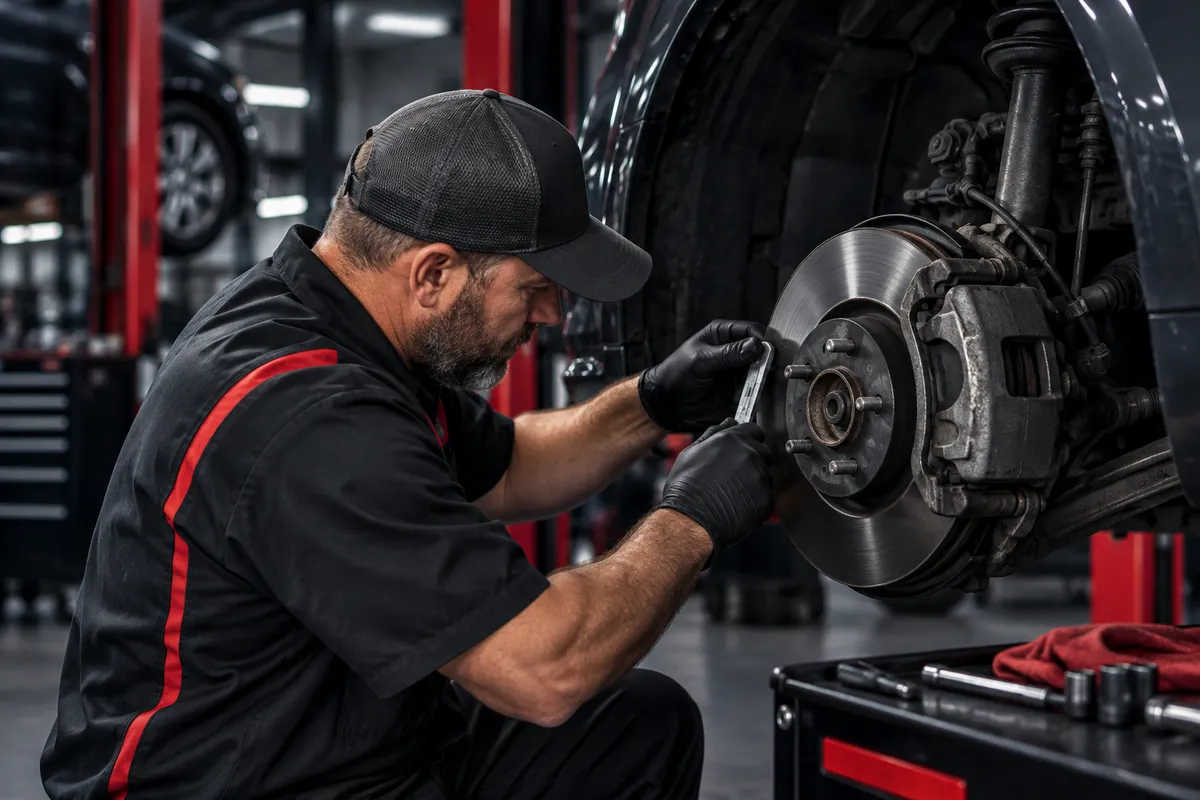
More Than Brake Pads. We Look at the Complete Braking System.
Your vehicle's brakes depend on several components working together. When you press the brake pedal, hydraulic pressure helps operate the brakes at each wheel, creating the friction needed to slow and stop your vehicle.
Brake pads and brake rotors handle much of that friction, but they're only part of the system. Brake calipers must operate correctly, brake fluid and the hydraulic system must transfer pressure reliably, and brake lines, hoses, the master cylinder and power-assist components all play important roles.
Modern vehicles may also use an anti-lock braking system, wheel-speed sensors, electronic controls and an electronic parking brake. Some vehicles still use drum brakes on the rear wheels.
That's why a brake concern shouldn't automatically be treated as a request for new brake pads.
At Four Oaks Auto Repair, we start by looking at the condition and operation of the braking system so the repair recommendation is based on what the vehicle actually needs.
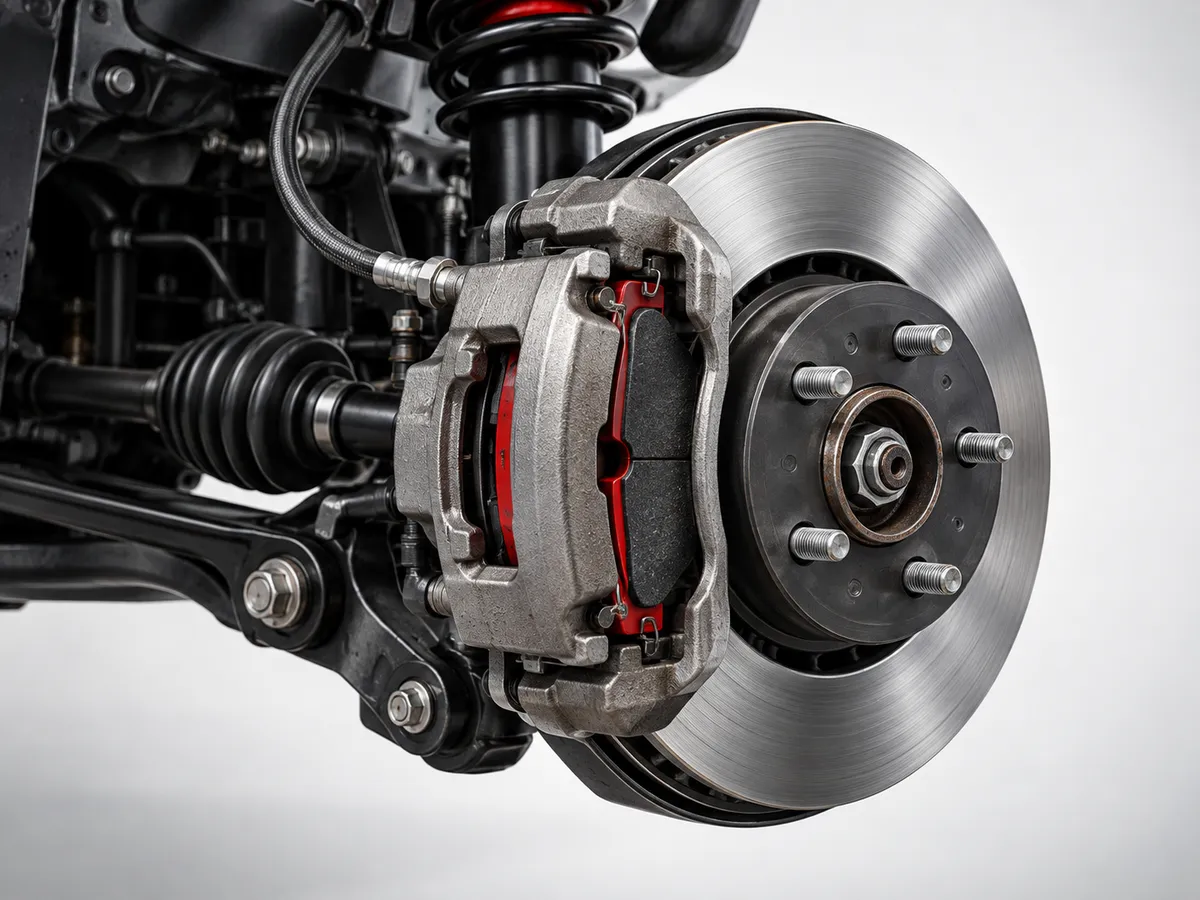
Brake Pads
Create the friction needed to slow the vehicle.
Brake Rotors
Provide the braking surface used by the pads.
Brake Calipers
Apply the pads to the rotors on disc-brake systems.
Brake Fluid & Hydraulics
Transfer braking force through the hydraulic system.
ABS & Electronics
Help manage wheel lockup and monitor system operation.
Parking & Rear Brakes
May include electronic parking brakes or drum-brake components.
BRAKE WARNING SIGNS
Signs Your Vehicle May Need Brake Repair
Brake problems don't always begin with the same symptom. Changes in sound, pedal feel, vehicle behavior or stopping performance can all be reasons to have the system inspected.
Squeaking or Squealing
Brake noise can have several causes, including friction-material condition, wear indicators, hardware or operating conditions. Noise alone doesn't tell us which repair is needed.
Grinding
Grinding brakes deserve prompt attention. Severe friction-material wear or other component contact may be involved, and continued driving can increase the repair needed.
Vibration When Braking
Vibration through the steering wheel, brake pedal or vehicle should be inspected rather than automatically assuming the rotors need replacement.
Soft or Spongy Brake Pedal
A noticeable change in pedal feel can be associated with a hydraulic-system problem or another brake concern and shouldn't be ignored.
Vehicle Pulls While Braking
Pulling while braking may be brake-related, although tires, suspension or other conditions can sometimes contribute. Diagnosis helps separate the possibilities.
Brake or ABS Warning Light
A brake or ABS warning light means the vehicle has detected a condition that deserves attention. The exact meaning depends on the vehicle and warning involved.
Longer Stopping Distance
If your vehicle seems to need more distance to stop than it normally does, treat that as a meaningful change in braking performance and have it evaluated.
Burning Smell or Signs of a Leak
A hot or burning smell can occur when brake components overheat or fail to release properly. A suspected brake fluid leak deserves prompt attention.
HOW YOUR BRAKES WORK
Understanding the Parts That Help Your Vehicle Stop
A brake problem in one area can affect the operation or wear of another. Understanding the major components makes it easier to see why a proper brake inspection looks beyond the most obvious worn part.
FRICTION COMPONENTS
Brake Pads & Rotors
Brake pads contain friction material that presses against the rotors when the brakes are applied. They naturally wear over time, but how long brake pads last depends on the vehicle, friction material, driving conditions, vehicle load and braking habits.
Brake rotors provide the braking surface the pads clamp against on disc-brake systems. Rotor condition, thickness and other measurements help determine whether a rotor remains serviceable and whether resurfacing or replacement is appropriate.
Pads and rotors work as a pair, but that doesn't mean every brake-pad replacement automatically requires new rotors. The correct recommendation depends on the condition of the components and the requirements of the vehicle.
HYDRAULIC COMPONENTS
Brake Calipers & Hydraulics
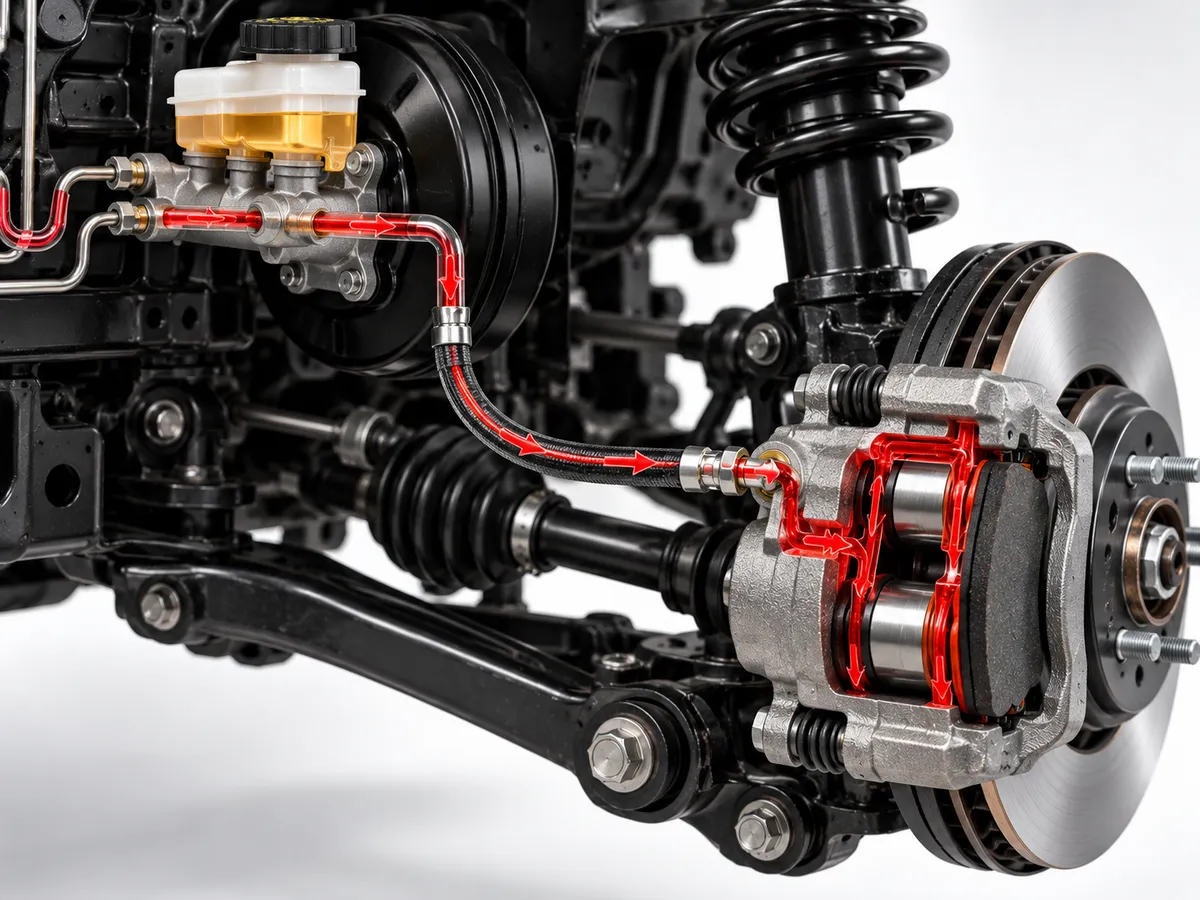
Brake calipers use hydraulic force to apply the brake pads against the rotors. Caliper operation matters because a caliper that isn't moving or releasing properly can contribute to uneven brake pad wear, excessive heat and braking problems.
Brake fluid transfers force from the brake pedal through the hydraulic braking system. Fluid condition, leaks and other hydraulic problems can affect pedal feel and brake operation.
Brake lines and flexible hoses carry brake fluid throughout the system. Damage, deterioration or leaks need attention because maintaining hydraulic pressure is essential to reliable braking.
BRAKE PRESSURE & ASSIST
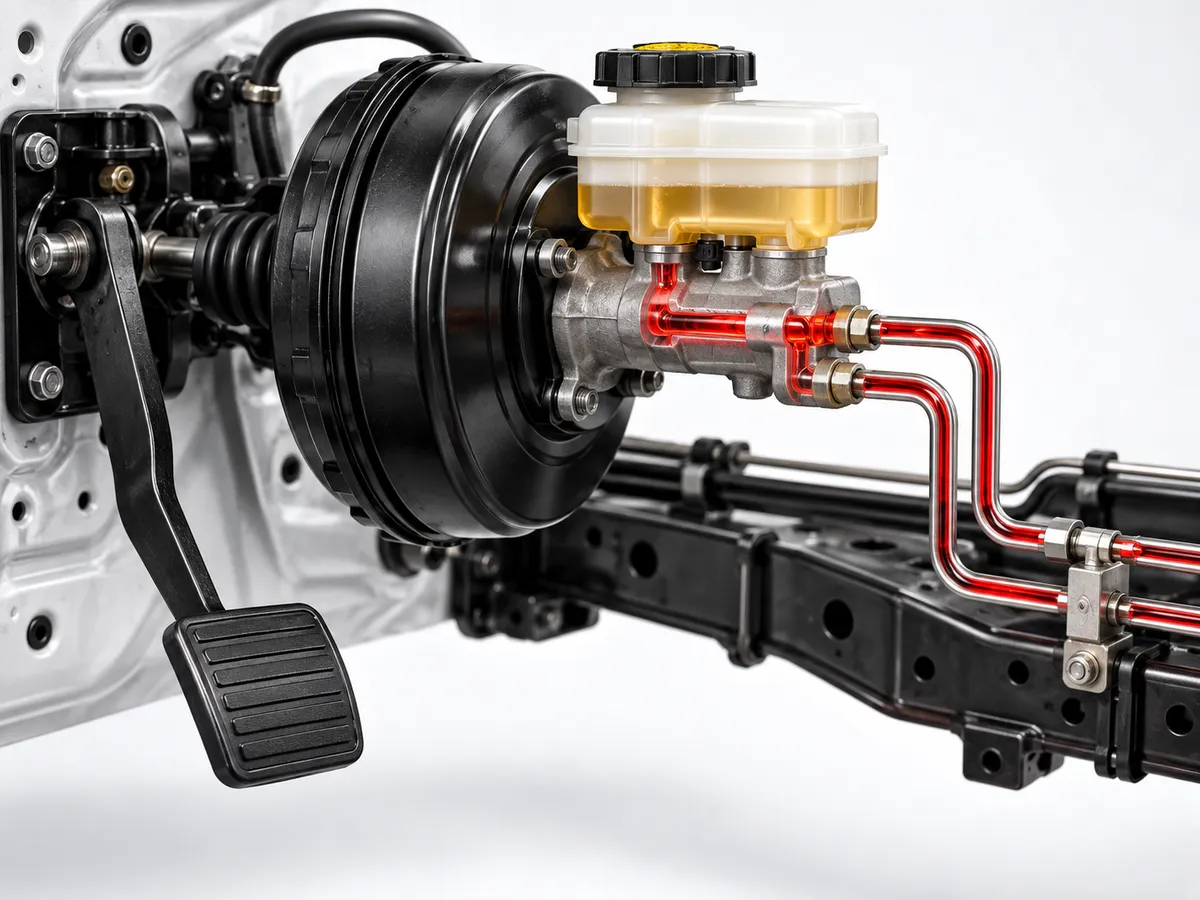
Master Cylinder, Brake Booster & Brake Lines
The master cylinder converts brake-pedal input into hydraulic pressure that moves brake fluid through the braking system. Problems in this area can affect how the pedal feels and how the hydraulic system responds.
The brake booster or other power-assist system helps reduce the effort required from the driver when applying the brakes. A problem with brake assist can change pedal effort even when other parts of the braking system are still functioning.
Brake lines and hoses provide the path that carries hydraulic pressure from the master cylinder toward the brakes at each wheel. Because the system depends on maintaining pressure, leaks or damaged hydraulic components need to be taken seriously.
BRAKE CONTROL & SECONDARY SYSTEMS
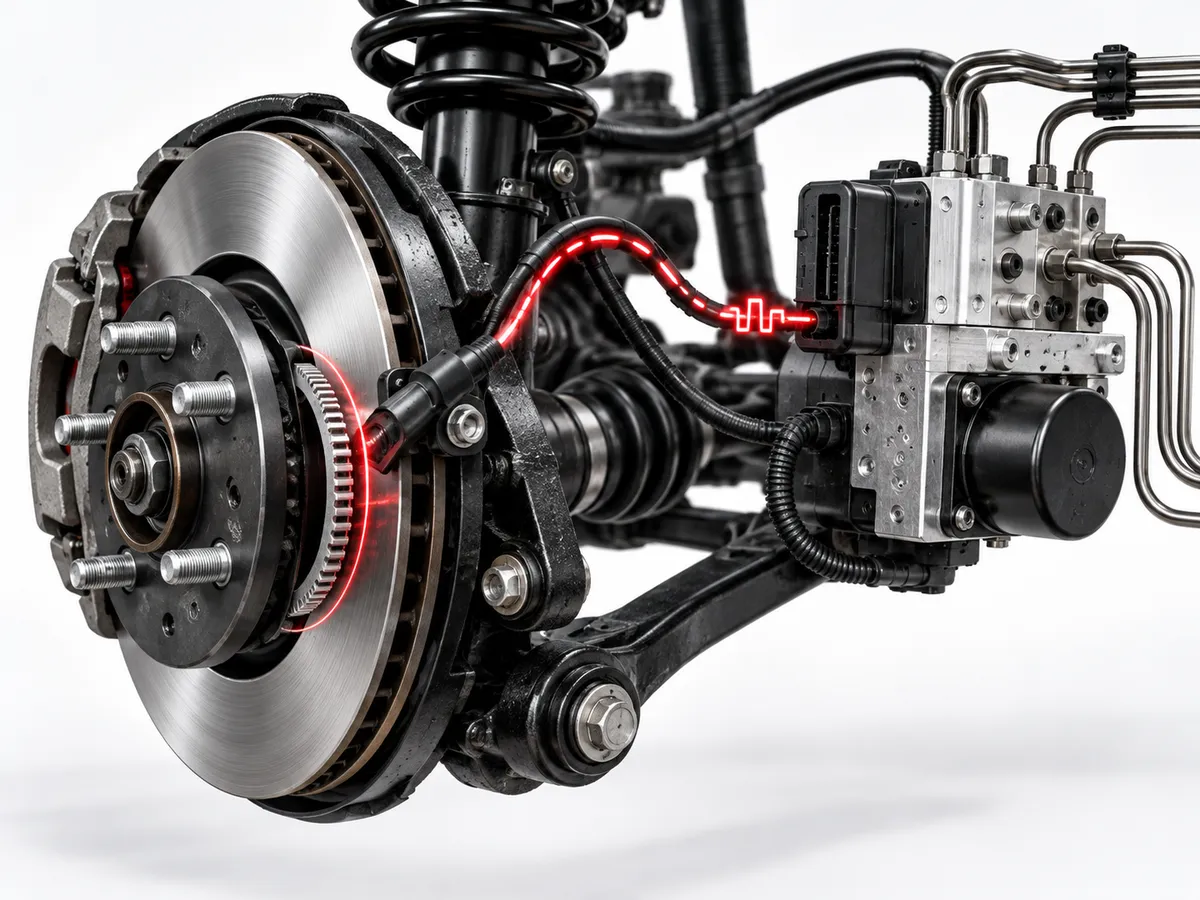
ABS, Electronic Controls & Parking Brakes
The anti-lock braking system (ABS) helps prevent wheel lockup during certain braking situations. It works with wheel-speed sensors and electronic controls to monitor wheel behavior and adjust braking when needed.
Wheel-speed sensors and brake-system electronics also help the vehicle monitor system operation. When the system detects a fault, an ABS warning light or other brake-related warning may appear on the dash.
Parking brake systems vary by vehicle and may operate mechanically or electronically. Some vehicles also use rear drum brakes with brake shoes, drums, wheel cylinders and related hardware.
HOW YOUR BRAKES WORK
Understanding the Parts That Help Your Vehicle Stop
A brake problem in one area can affect the operation or wear of another. Understanding the major components makes it easier to see why a proper brake inspection looks beyond the most obvious worn part.
FRICTION COMPONENTS
Brake Pads & Rotors
Brake pads contain friction material that presses against the rotors when the brakes are applied. They naturally wear over time, but how long brake pads last depends on the vehicle, friction material, driving conditions, vehicle load and braking habits.
Brake rotors provide the braking surface the pads clamp against on disc-brake systems. Rotor condition, thickness and other measurements help determine whether a rotor remains serviceable and whether resurfacing or replacement is appropriate.
Pads and rotors work as a pair, but that doesn't mean every brake-pad replacement automatically requires new rotors. The correct recommendation depends on the condition of the components and the requirements of the vehicle.
HYDRAULIC COMPONENTS
Brake Calipers & Hydraulics
Brake calipers use hydraulic force to apply the brake pads against the rotors. Caliper operation matters because a caliper that isn't moving or releasing properly can contribute to uneven brake pad wear, excessive heat and braking problems.
Brake fluid transfers force from the brake pedal through the hydraulic braking system. Fluid condition, leaks and other hydraulic problems can affect pedal feel and brake operation.
Brake lines and flexible hoses carry brake fluid throughout the system. Damage, deterioration or leaks need attention because maintaining hydraulic pressure is essential to reliable braking.
BRAKE PRESSURE & ASSIST
Master Cylinder, Brake Booster & Brake Lines
The master cylinder converts brake-pedal input into hydraulic pressure that moves brake fluid through the braking system. Problems in this area can affect how the pedal feels and how the hydraulic system responds.
The brake booster or other power-assist system helps reduce the effort required from the driver when applying the brakes. A problem with brake assist can change pedal effort even when other parts of the braking system are still functioning.
Brake lines and hoses provide the path that carries hydraulic pressure from the master cylinder toward the brakes at each wheel. Because the system depends on maintaining pressure, leaks or damaged hydraulic components need to be taken seriously.
BRAKE CONTROL & SECONDARY SYSTEMS
ABS, Electronic Controls & Parking Brakes
The anti-lock braking system (ABS) helps prevent wheel lockup during certain braking situations. It works with wheel-speed sensors and electronic controls to monitor wheel behavior and adjust braking when needed.
Wheel-speed sensors and brake-system electronics also help the vehicle monitor system operation. When the system detects a fault, an ABS warning light or other brake-related warning may appear on the dash.
Parking brake systems vary by vehicle and may operate mechanically or electronically. Some vehicles also use rear drum brakes with brake shoes, drums, wheel cylinders and related hardware.
NOT SURE WHAT YOUR BRAKES NEED?
Concerned About Your Brakes?
Brake symptoms can have more than one cause. Let us inspect the system and explain what we find before you decide how to proceed.
BRAKE INSPECTION & DIAGNOSIS
Good Brake Repair Starts With Finding the Actual Problem
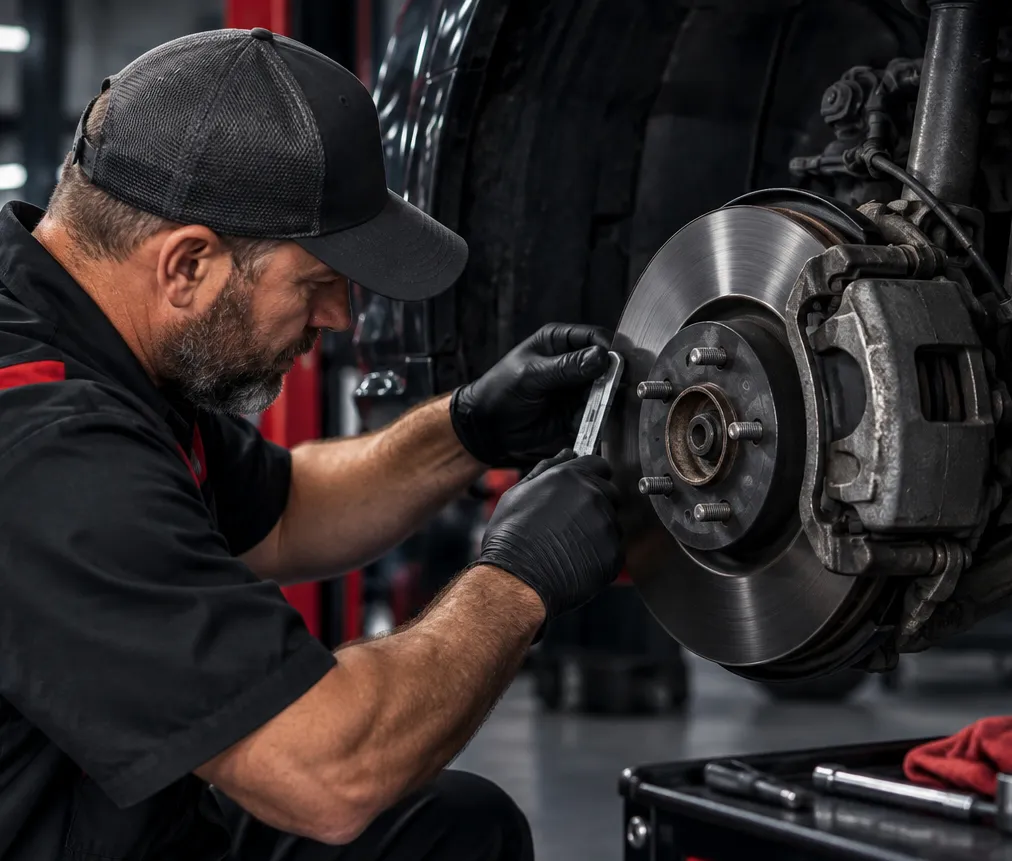
Replacing a worn part may be appropriate, but replacing parts without diagnosing the cause can miss an underlying problem. A professional brake inspection considers the symptoms you're experiencing along with the condition and operation of the relevant components.
What We Look At During a Brake Inspection
Brake Pad Condition & Wear
Remaining friction material and wear patterns can provide important information about both the pads and other components.
Rotor Condition & Measurements
Rotor condition, thickness and other measurements help determine whether the rotor remains serviceable and what repair is appropriate.
Brake Caliper Operation
Calipers and related hardware need to apply and release correctly so the brakes operate and wear as intended.
Brake Fluid & Hydraulic Operation
Fluid condition, leaks and hydraulic concerns can affect pedal feel, pressure and overall brake operation.
Brake Lines & Flexible Hoses
Lines and hoses are checked for conditions that could affect the integrity of the hydraulic braking system.
Warning Lights & ABS Concerns
Electronic brake-system faults may require diagnostic testing rather than simply replacing mechanical brake parts.
OUR APPROACH
The goal isn't to replace as many parts as possible. It's to understand the condition of the braking system and make a repair recommendation that addresses the actual problem.
STRAIGHTFORWARD BRAKE SERVICE
Know What Your Vehicle Needs Before the Repair Begins
Our process is designed to help you understand what's happening with your vehicle, what deserves attention and what happens next.
Inspect & Diagnose
We evaluate the brake concern and inspect the relevant components to determine what's happening.
Explain & Recommend
We explain what we found, what deserves attention and what repair is recommended so you can make an informed decision.
Repair & Verify
Once the work is approved, we complete the repair and verify proper brake operation.
BRAKE MAINTENANCE & REPAIR DECISIONS
Keeping Your Brakes Safe, Reliable & Easier to Understand
Brake wear and repair decisions aren't the same for every vehicle. Driving conditions, component condition and the design of the braking system all affect what your vehicle may need and when it may need it.
The right recommendation should come from the condition of your vehicle—not a one-size-fits-all brake package.
How Long Do Brake Pads Last?
Mileage alone doesn't determine brake life. Vehicle design and weight, friction material, traffic conditions, driving habits, vehicle load and how frequently the brakes are used can all affect how quickly brake components wear.
Do You Need Rotors With Brake Pads?
Not necessarily. Whether you need rotors with brake pads depends on rotor condition, measurements, vehicle requirements and the repair being performed. The recommendation should come from inspection—not from automatically replacing the same combination of parts on every vehicle.
Front Brakes, Rear Brakes or Both?
Front and rear brakes don't necessarily wear at the same rate. Vehicle design, braking distribution, driving conditions and component condition can all affect wear. Inspection determines whether the vehicle needs front brakes, rear brakes or both.
Why Does Brake Repair Cost Vary?
“Brake repair” can describe very different jobs. Pads, pads and rotors, calipers, hydraulic repairs and ABS diagnosis all involve different parts, labor and diagnostic requirements. A useful estimate should make clear what is being repaired and why.
What Happens if Brake Repair Is Delayed?
That depends on the problem. Some conditions may allow time for planned service, while others can affect braking performance or allow additional components to become damaged. The important question is what needs attention now and what can reasonably be planned for later.
DRIVING CONDITIONS MATTER
Brake Service for the Way Katy-Area Drivers Actually Drive
How a vehicle is driven can influence brake wear just as much as the number on the odometer. Traffic patterns, vehicle load, repeated braking and trip length can all affect how the braking system is used.
Stop-and-Go Driving
Frequent stopping and starting uses the brakes differently than steady highway driving. For drivers who regularly encounter Katy and greater Houston-area traffic, repeated braking can be one of several factors that influence brake wear over time.
Heat, Load & Repeated Braking
Vehicle weight, passengers and cargo, driving habits and repeated brake use can all affect how much heat the braking system must manage. Brake condition is more useful than assuming every vehicle will wear components at the same rate.
Before a Longer Texas Road Trip
If you've already noticed brake noise, a change in pedal feel, a warning light or another braking concern, it's reasonable to have it checked before a longer trip rather than discovering the problem away from home.
WHY KATY DRIVERS CHOOSE FOUR OAKS
Brake Repair Built Around Clear Answers and Quality Work
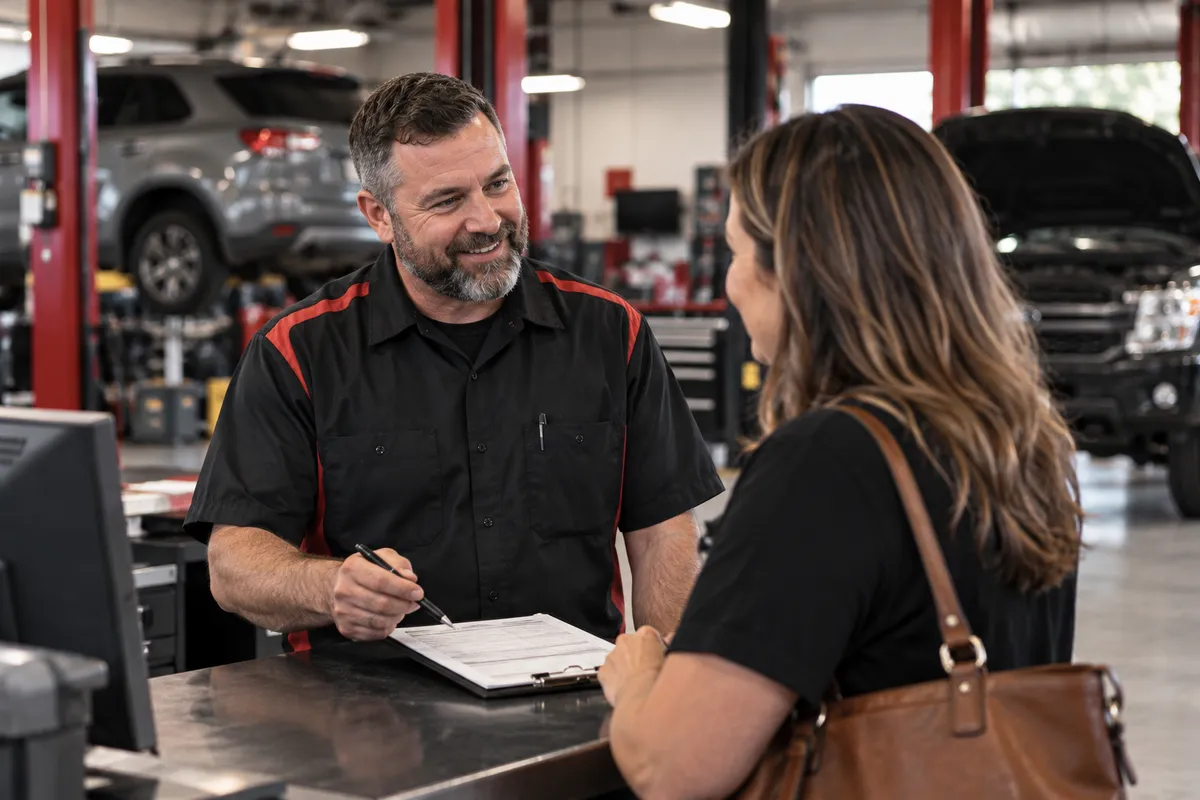
When something feels wrong with your brakes, you shouldn't have to understand the entire braking system before walking into a repair shop. That's our job. Our ASE-certified technicians inspect the problem, explain what we find and help you understand the recommended repair before work begins.
Honest Advice
We start with the condition of your vehicle—not a predetermined list of parts to replace.
Quality Work
Brake repairs are completed with attention to the system as a whole and verified before the vehicle is returned to you.
Local & Trusted
Four Oaks serves Katy-area drivers with straightforward service and recommendations you can understand.
Customer Focused
We explain what deserves attention, answer your questions and help you understand what you're approving.
REPAIRS BACKED WITH CONFIDENCE
3 Year / 36,000 Mile Warranty
Qualifying repairs are backed by our warranty, giving you added confidence after you leave the shop.
BRAKE REPAIR FAQ
Common Questions About Brake Repair
Straightforward answers to common questions about brake symptoms, maintenance and repair decisions.
RELATED AUTO REPAIR SERVICES
Other Services That Help Keep Your Vehicle Road-Ready
Your vehicle's systems work together. Explore other services that can help keep your vehicle performing safely and reliably.
Steering & Suspension
Handling problems, suspension wear and some vehicle vibrations can affect how your vehicle feels on the road.
LEARN MORE →Engine Diagnostics
Warning lights and drivability problems sometimes require diagnostic testing to identify the actual cause.
LEARN MORE →Oil Changes & Maintenance
Routine maintenance gives you an opportunity to stay ahead of developing vehicle concerns.
LEARN MORE →REAL PEOPLE. WHEN YOU NEED US.
Let's Get You Back on the Road.
⭐⭐⭐⭐⭐ 4.9 out of 5 (300+ reviews)
Request Service
PROUDLY SERVING OUR COMMUNITY
Auto Repair in Katy, TX & Surrounding Communities
Four Oaks Auto Repair is conveniently located in Katy, TX and proudly serves drivers throughout Katy and nearby communities. From routine maintenance to diagnostics and more complex repairs, we're here when you need a dependable local shop.

AREAS WE SERVE
✓ Katy
✓ Cinco Ranch
✓ Fulshear
✓ Richmond
✓ Brookshire
✓ West Houston
✓ Pecan Grove
✓ Mission Bend
✓ Katy
✓ Cinco Ranch
✓ Fulshear
✓ Richmond
✓ Brookshire
✓ West Houston
✓ Pecan Grove
✓ Mission Bend
Honest service. Quality repairs.
Local people you can trust.
⭐⭐⭐⭐⭐ 4.9 Google Rating
Based on 300+ customer reviews
CONTACT US
SHOP HOURS
Mon – Fri: 7:30 AM – 5:30 PM
Sat: 8:00 AM – 1:00 PM
Sun: Closed
QUICK LINKS
Home
About Us
Reviews
Request Service
Contact Us
Honest service. Quality repairs.
Local people you can trust.
⭐⭐⭐⭐⭐ 4.9 Google Rating
Based on 300+ customer reviews
CONTACT US
1234 Main Street
Katy, TX 77449
☎ (281) 555-0123
SHOP HOURS
Mon–Fri: 7:30 AM–5:30 PM
Sat: 8:00 AM–1:00 PM
Sun: Closed
QUICK LINKS
© 2026 Four Oaks Auto Repair. All Rights Reserved.
Website by Shop Profit Engine